
DOL Submits Proposed Rule on Fiduciary Duties in Selecting Alts Investments
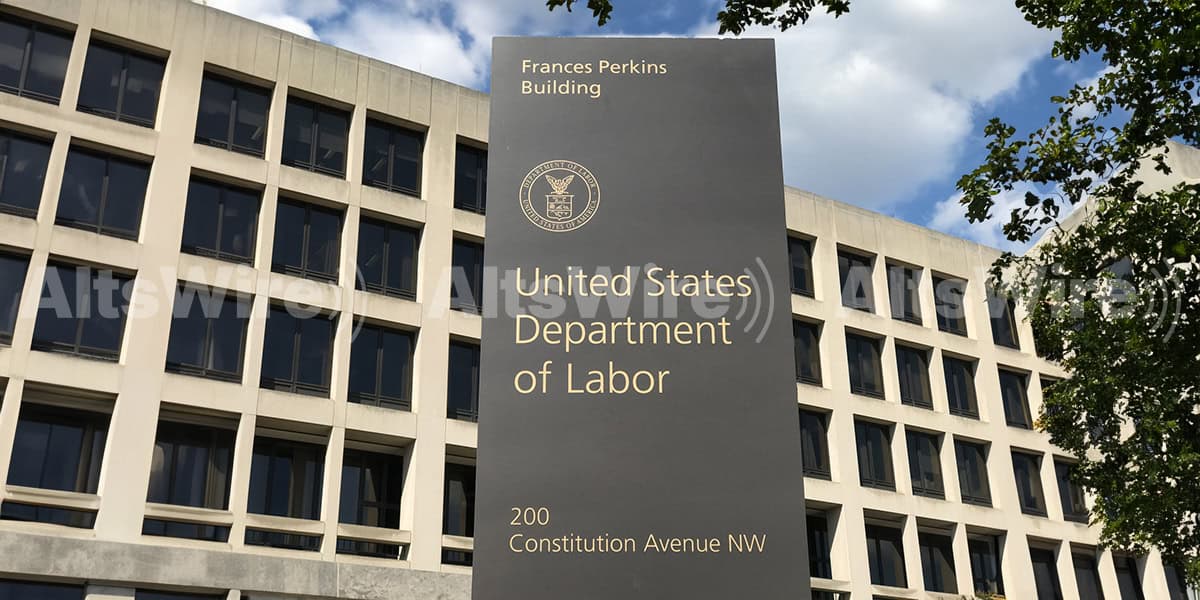
The U.S. Department of Labor has submitted for review a proposed rule to the Office of Management and Budget that would clarify its position on alternative assets like private equity, real estate, and crypto in 401(k) plans, as well as the appropriate fiduciary process.
The proposal, Fiduciary Duties in Selecting Designated Investment Alternatives, likely fulfills a directive from President Trump’s August 2025 executive order, which aimed to democratize access to alternative assets for defined contribution plan investors.
According to a source who spoke with Think Advisor, “it’s not clear whether the proposal sent to the OMB [on Tuesday] is about the White House executive order on alternative assets or the Biden-era [environmental, social and governance] regulation,” said Fred Reish, of counsel with the Ferenczy Benefits Law Center, in an email.” Only time will tell. We should know at some point in the next 45 to 75 days, when it is released — although if given high priority by the OMB, it could be sooner.”
If the proposal submitted on Jan. 13, 2026 – ahead of its Feb. 3 deadline – addresses the executive order, it seeks to make it easier for plan fiduciaries to offer these asset classes, which were previously underutilized due to complexity and risk, by clarifying the prudent process required under the Employee Retirement Income Security Act of 1974, i.e., ERISA. It clarifies the duties of plan fiduciaries when selecting and monitoring asset allocation funds containing alternatives, requiring them to assess their own expertise or seek qualified advice. The DOL also plans to include appropriately calibrated safe harbors to provide clearer pathways for fiduciaries.
The stated goal by the Trump administration is to give millions of retirement savers access to investments that can potentially enhance risk-adjusted returns, bringing 401(k)s closer to institutional-quality investment options.
“My administration will relieve the regulatory burdens and litigation risk that impede American workers’ retirement accounts from achieving the competitive returns and asset diversification necessary to secure a dignified, comfortable retirement,” said the president within the executive order.
OMB typically has up to 90 days to review rules; however, that period could be shorter. If the OMB signs off on the proposal, the DOL’s Employee Benefits Security Administration will then release it for public comment, which typically is a 60-day period.
In November of last year, the DOL withdrew its appeal in the legal battle over the Biden administration’s 2024 fiduciary rule, effectively abandoning its defense of the regulation. The action followed multiple requests for delays throughout 2025.
Click here to visit the AltsWire directory page.