
DOL Drops Appeal of Biden-Era Fiduciary Rule
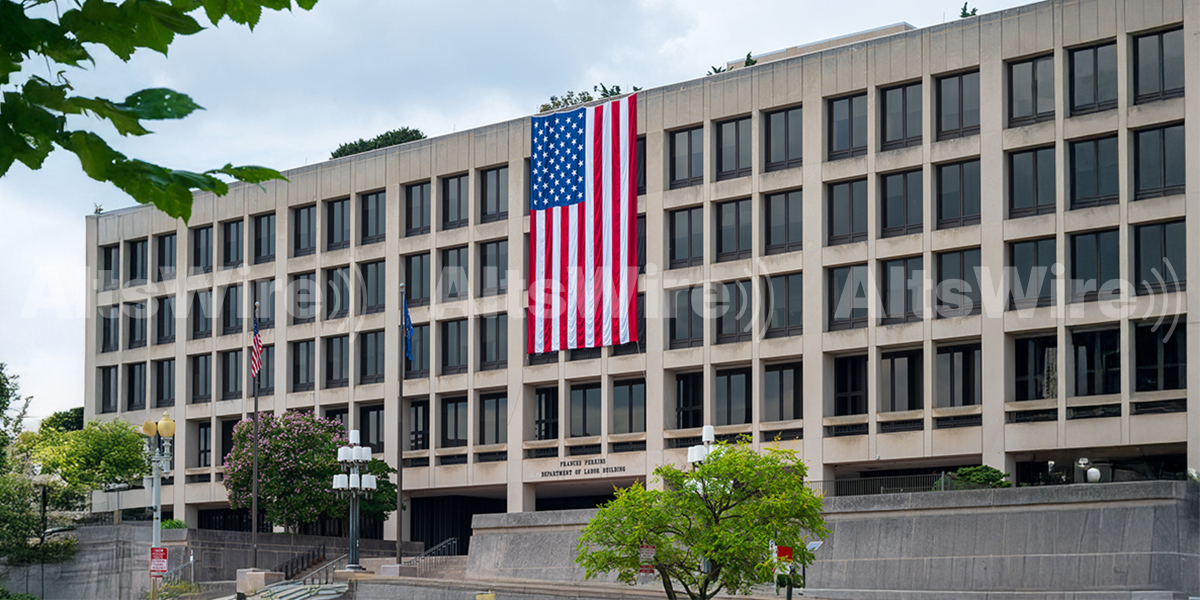
The U.S. Department of Labor has withdrawn its appeal in the legal battle over the Biden administration’s 2024 fiduciary rule, effectively abandoning its defense of the regulation.
The DOL’s Employee Benefits Security Administration, or EBSA, filed an unopposed motion to dismiss its appeal this week in the U.S. Court of Appeals for the 5th Circuit. This action follows multiple requests for delays throughout 2025.
“The Department of Labor’s move to end its defense of the proposed Fiduciary Rule is a positive and important step that clears the way toward a better solution for 401(k) sponsors and investors,” said Anya Coverman, president and chief executive officer of the Institute for Portfolio Alternatives.
The rule, formally known as the Retirement Security Rule, aimed to expand the definition of a fiduciary to bring a wider range of retirement investment advice, including guidance on individual retirement account, i.e., IRA, rollovers and advice to small employer plans, under a fiduciary obligation.
The appeal sought to overturn rulings from two federal district courts in Texas (the Northern and Eastern Districts) that had issued nationwide stays, blocking the rule from taking effect in July 2024.
Opponents of the rule, including major insurance and financial industry groups, successfully challenged it, arguing that the DOL had exceeded its regulatory authority under the Employee Retirement Income Security Act, or ERISA. They claimed the rule was fundamentally flawed, similar to a previous Obama-era version that the 5th Circuit vacated in 2018.
“The rule, as proposed, took a dated approach that overlooked the changing and innovative nature of the regulated investment professional industry and the broader investment landscape. It needs a thorough rethink,” added Coverman.
The latest filing was also welcomed by other groups opposed to the rule, such as the Insured Retirement Institute and the National Association of Insurance and Financial Advisors, who believe it “prevented millions of consumers from accessing much-needed retirement financial guidance. Allowing the stay of the effective date to remain in place provides retirement savers with continued relief from these harmful consequences as the court considers the substantial legal issues we have raised regarding this ill-advised regulation.”
The decision to drop the appeal coincides with the Trump administration’s stated intent to replace the fiduciary rule. The DOL’s regulatory flexibility agenda indicates plans to issue a new fiduciary rule in May 2026.
Retirement planning officials anticipate that Daniel Aronowitz, recently confirmed to lead EBSA, may play a key role in writing a revised rule, potentially focusing on fiduciary advice regarding rollovers.
Lisa Gomez, former head of EBSA, expressed disappointment on LinkedIn writing that while the fiduciary rule “saga has gone on for far too long without resolution … the continued uncertainty doesn’t help anyone.”
“I would have liked to see the Court of Appeals and possibly the Supreme Court take a deeper dive into the rule,” Gomez said. “We are not doing our collective best to ensure that the professionals who retirement investors have trust and confidence in, whether the individual investors are making decisions about long-term investment strategy or what to do in a one-time rollover, are acting in their best interests.”
The decision to abandon the appeal follows a trend from the current administration to reassess and revise, or repeal several regulations enacted by the previous administration, such as rescinding the Biden-era supplemental statement that discouraged fiduciaries from including alternative assets in 401(k) retirement plans.
Click here to visit the AltsWire directory page.