
Senate Bill Would Make Opportunity Zone Program Permanent, Expand Benefits and Oversight
By Damon Elder
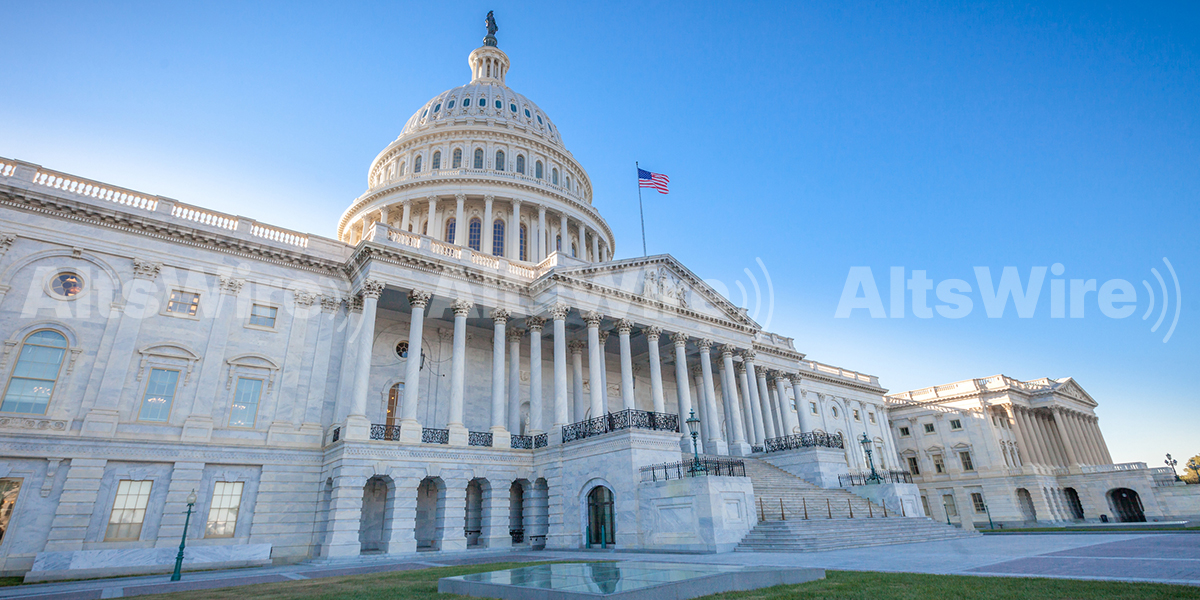
Late last night, the Senate released its amended “One Big Beautiful Bill,” which would make the opportunity zone program permanent while reshaping its benefits, eligibility rules, and compliance framework.
Originally enacted as part of the Tax Cuts and Jobs Act of 2017, the opportunity zone program allows investors to defer and reduce tax on capital gains by reinvesting those gains through qualified opportunity funds, or “QOFs.” The new legislative text proposes substantial revisions to the program.
Program Modifications
- Permanent Structure: The program would adopt a recurring 10-year designation cycle. New census tracts would be certified starting July 1, 2026, and eligible for investment beginning Jan. 1, 2027.
- Revised Basis Adjustment: Investors holding QOF investments for at least five years would receive a 10% basis increase on the amount of gain deferred. For investments in qualified rural opportunity funds, the basis step-up increases to 30%.
- End of Deferral: For capital gains invested after Dec. 31, 2026, the deferred gain must be recognized on the earlier of sale or Dec. 31, 2033. The revised statute also restarts a 10-year recognition window for each new investment tranche.
- Modified Improvement Thresholds: For rural opportunity funds, property would be deemed substantially improved if the investment equals or exceeds 50% of the original cost basis, relaxing the current 100% requirement.
- Eligibility Tightening: Tracts must now have a median family income below 70% of the area average, a reduction from the previous 80%. Contiguous tract eligibility is eliminated, and Puerto Rico’s designation authority sunsets at the end of 2026.
Enhanced Reporting and Compliance
The legislation incorporates an updated version of the Opportunity Zones Transparency, Extension, and Improvement Act, requiring:
- Annual reporting by QOFs and opportunity zone businesses on:
- Total equity raised
- Number of housing units created
- Number of full-time employees
- Investment location and census tract
- Rural vs. urban classification
- State-level submissions of designations, redemptions, and certification data
- Public disclosure mandates requiring Treasury to compile aggregate reports detailing economic impact and investment allocation
- Enforcement funding: The IRS would receive $15 million for oversight, available through Sept. 30, 2028
- Penalties: Monetary fines would apply for non-compliance or failure to report, escalating for repeated violations
Strategic Shift and Legislative Outlook
The proposed changes mark a shift in emphasis toward simplification, rural equity, and transparency. While eliminating the phased step-up structure of the original program, the bill offers a more generous rural incentive and introduces rigorous guardrails to address long-standing criticisms around reporting and accountability.
The opportunity zone provisions are embedded within the broader reconciliation package now moving through the Senate. Majority Leader John Thune (R-SD) has indicated floor action may begin as early as this evening.
However, its path to passage remains highly uncertain. Democratic leaders in both the House and Senate have signaled unanimous opposition to the bill, citing its tax incentives and spending cuts as nonstarters. At the same time, several key Republicans — particularly those aligned with fiscal restraint or deficit concerns — have expressed reservations about the bill’s cost and long-term implications.
With time running short before the July 4 recess, and President Trump’s expressed personal deadline for passage of the mammoth legislation, the final contours of the bill may shift further. If passed in the Senate under reconciliation rules, the bill faces a steep climb in the House, where even modest defections could prove fatal.
Click here to visit the AltsWire directory page.