
Senate Narrowly Passes Reconciliation Bill; OZ Program Poised for Permanent Expansion
By Damon Elder
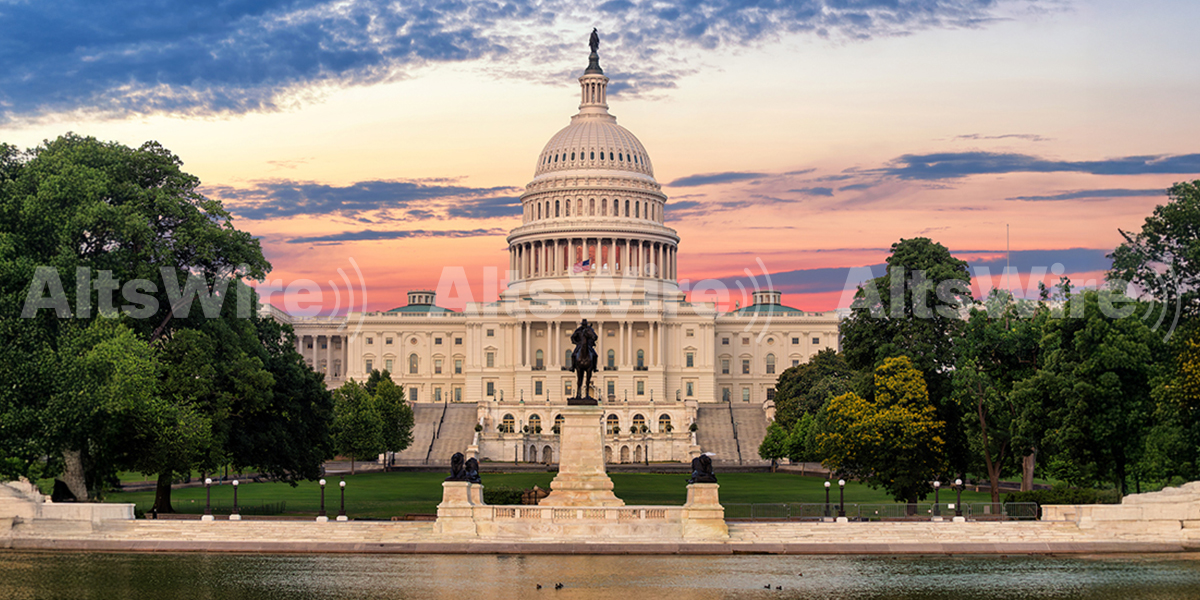
In a dramatic vote earlier today, the U.S. Senate passed the “One Big Beautiful Bill” by a razor-thin margin, with Vice President J.D. Vance casting the tie-breaking vote to secure its 51–50 approval. The sprawling budget reconciliation package now heads to the House, where its future remains uncertain amid growing criticism from fiscal conservatives.
Formally introduced in the House as H.R. 1, the bill consolidates tax reforms, entitlement adjustments, regulatory rollback provisions, and debt ceiling authorities into a single legislative vehicle. Among its most consequential financial provisions is a permanent overhaul of the federal opportunity zone program, a measure closely watched by alternative asset managers and economic development professionals.
The opportunity zone reforms appear in Section 70421 of the bill, titled “Permanent Renewal and Enhancement of Opportunity Zones.” The provision would eliminate the program’s current sunset date, codify stricter eligibility criteria for census tracts, and introduce a new incentive structure to encourage rural investment.
Under the proposed language, a census tract would qualify as a “low-income community” only if its median family income does not exceed 70 percent of the relevant benchmark — either the state median (for non-metropolitan tracts) or the metro area median (for metropolitan tracts). Alternatively, a tract could qualify if it has a poverty rate of at least 20 percent and income not exceeding 125 percent of the same benchmarks.
The bill further authorizes a new class of qualified rural opportunity funds, or QROFs, which must invest at least 90 percent of their assets in rural opportunity zone property and meet criteria to be defined by the U.S. Treasury. Investors in such funds are eligible for a 30 percent basis increase after holding the investment for at least five years.
That rural incentive builds on a broader restoration of earlier opportunity zone benefits: the legislation reintroduces a 10 percent basis step-up for all investors in qualified opportunity funds (QOFs) if the investment is held for five years. As stated in the bill:
“In the case of any investment held for at least 5 years, the basis of such investment shall be increased by an amount equal to 10 percent (30 percent in the case of any investment in a qualified rural opportunity fund) of the amount of gain deferred by reason of subsection (a)(1)(A).”
Importantly, the legislation retains the existing opportunity zone tax benefit allowing for a full exclusion of capital gains on qualifying investments held for 10 years. However, prior provisions for 5- and 7-year holding period benefits are formally repealed, and no new intermediate incentives are added.
The bill significantly expands fund oversight. Under the amended IRC §1400Z–2(h), qualified opportunity funds and QROFs must file annual reports to the Treasury Department detailing:
- Total assets and capital committed;
- The nature and location of qualifying property;
- The percentage of assets deployed in each type of opportunity zone;
- Compliance with applicable holding period and usage requirements;
- Any material changes in structure or ownership.
Critically, the Treasury Secretary is required to publish aggregated annual reports using this data, providing public visibility into the scale, distribution, and economic impact of opportunity zone investments — marking a notable step toward transparency after years of opacity in fund performance and geographic allocation.
As of Tuesday, the bill sits with the House Rules Committee, which is expected to shape the parameters of floor debate later this week. Key members of the House Republican Conference have already voiced sharp opposition to the Senate version, warning that its scope and fiscal implications stray from prior House-passed frameworks.
Click here to visit the AltsWire directory page.