SEC Would End Two-Year Compensation Timeout on Adviser Political Gifts
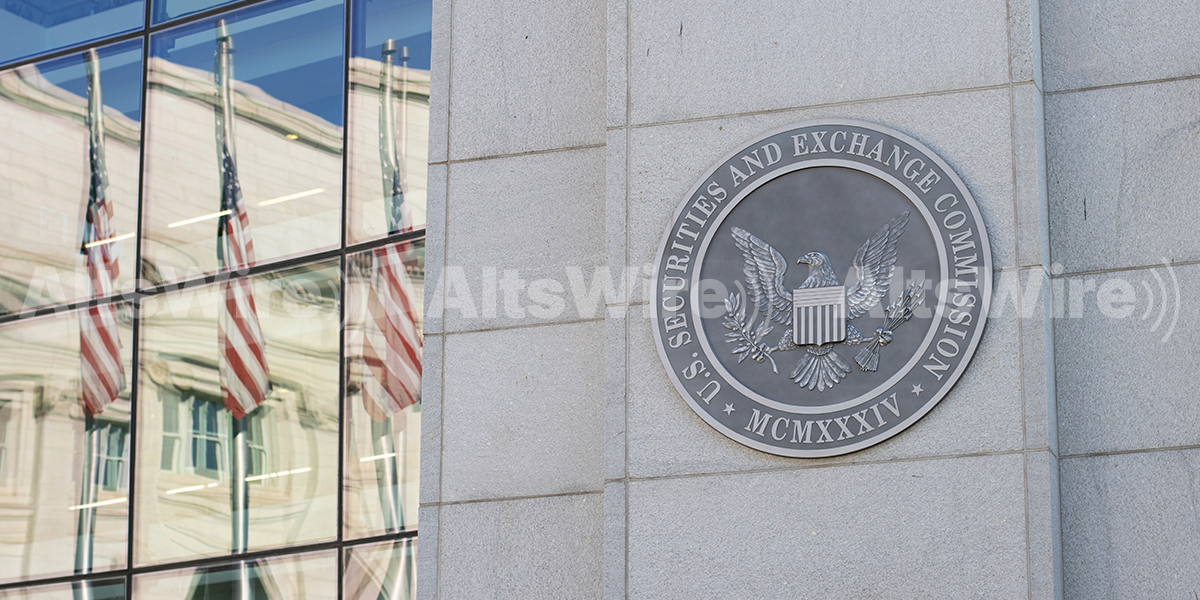
The U.S. Securities and Exchange Commission on Sept. 3 proposed rescinding Rule 206(4)-5, the “pay-to-play” rule that has barred investment advisers from collecting compensation on government-client accounts for two years after the adviser or a covered associate makes a political contribution to certain elected officials or candidates. The commission would also amend the recordkeeping rule under the Investment Advisers Act of 1940 to drop the bookkeeping requirements tied to the rule.
Every other Advisers Act obligation would stay intact under the proposal, including the antifraud provisions, fiduciary duty, the compliance rule, and the code of ethics rule.
“After more than 15 years of experience administering the ‘pay-to-play’ rule, it is clear that it is overly prescriptive and has produced a host of unintended consequences,” SEC Chair Paul S. Atkins said. “Beyond operational implementation challenges, it has imposed serious penalties for small, often impulsive donations to candidates in both parties, and routinely punishes and handicaps advisory firms for an employee making a donation even before joining the business.”
Atkins said the rule has effectively chilled protected speech rather than curbing corruption. “Although the current rule includes a de minimis allowance, in practice, many firms simply impose blanket prohibitions on employee political contributions rather than navigate the rule’s complexities,” he said. “People should not have to choose between their political speech rights and a job in a particular industry.” He added that rescinding the rule “would not open the door to fraud because sufficient protections exist (and have always existed),” and that “matters involving political contributions are more properly governed by local ordinances, state laws, and federal election regulations — not by the SEC.”
Adopted in 2010, Rule 206(4)-5 imposes a two-year compensation timeout tied to contributions made by an adviser or its covered associates to officials with influence over the award of advisory business, along with bans on paying unregistered solicitors and on coordinating contributions through third parties. A de minimis exception permits individual contributions of up to $350 per election to an official a covered associate can vote for, and up to $150 to one they cannot. The commission said 12.4% of advisers responding to a 2024 industry compliance survey have adopted blanket bans on employee political contributions rather than manage the rule’s exceptions.
The rule’s reach is broad. As of April 2026, the SEC tallies 16,434 registered investment advisers, managing roughly $166 trillion in regulatory assets and employing about 1.1 million people, plus 6,463 exempt reporting advisers overseeing another $7.5 trillion, all subject to the rule. State and local government retirement funds – the government clients the rule was built to protect – hold $9.6 trillion in assets, according to the SEC.
The proposal’s practical effect on registered investment advisers that sponsor or advise nontraded real estate investment trusts, Delaware statutory trusts, interval funds, and private placements falls on compliance rather than deal terms: many maintain pay-to-play policies covering employees with no connection to public-pension business. The commission’s own economic analysis estimates advisers currently spend approximately $416.3 million a year complying with the rule and its recordkeeping requirements, against a one-time transition cost of about $51 million to update policies and procedures if the rule is rescinded. Other pay-to-play-style restrictions – including FINRA Rule 2030, the MSRB’s rules for municipal advisers, and a patchwork of state and local contribution limits – would remain in place regardless of the SEC’s action.
The comment period will stay open for 60 days after the proposing release is published in the Federal Register.
Visit the AltsWire directory page.