
SEC Updates Enforcement Manual, Codifies Wells Process Reforms
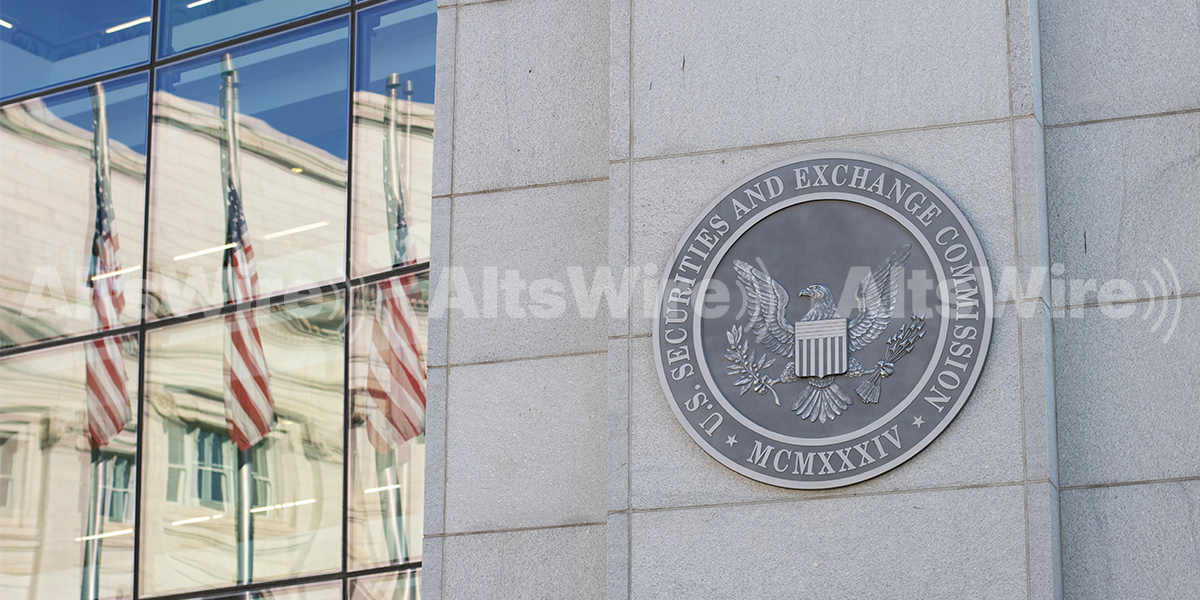
The U.S. Securities and Exchange Commission’s Division of Enforcement has announced the first significant update to its Enforcement Manual since 2017. The revisions are designed to increase consistency, efficiency, and transparency across the agency’s investigative processes.
The SEC also committed to reviewing and updating the manual annually going forward to ensure procedures remain “current, effective, and relevant.”
Paul Atkins, chairman of the SEC, described the update as a long-overdue step that ensures the division remains able to fulfill its mission while building on commitments to process and fairness.
One of the most notable changes involves the Wells process, the stage where staff notify a party that they intend to recommend enforcement charges. The updated manual codifies reforms AltsWire first reported in October 2025 and seeks to establish a more open dialogue between staff and potential defendants:
- Recipients will now ordinarily receive at least four weeks to make their Wells submissions;
- Wells meetings will be scheduled within four weeks of a submission and must now include a member of the division’s senior leadership; and
- Staff are mandated to be “forthcoming about the contents of the investigative file.”
While the manual stops short of requiring full disclosure in every case, it directs staff to provide “salient, probative evidence” that a recipient may not be aware of on a case-by-case basis.
Simultaneous Settlements and Waivers
The SEC has also restored a prior practice – originally used during the first Trump administration – allowing the Commission to simultaneously consider a settlement offer and a request for a waiver from “collateral consequences.”
These consequences often include automatic disqualifications from certain market activities that result from an enforcement action. By considering both at once, potential defendants gain immediate visibility into the total impact of a settlement. If the SEC accepts a settlement but rejects the waiver, the defendant has five days to decide whether to proceed with the deal.
The latest update significantly expands on the Seaboard Report criteria used to evaluate corporate cooperation. The manual now provides detailed descriptions of what constitutes acceptable self-reporting, offers seven specific examples of effective remediation, and lists eight items categorized as “exemplary” cooperation.
The Division of Enforcement also signaled greater flexibility in how it rewards this cooperation. Credit can now range from taking no action or entering deferred/non-prosecution agreements to “zero-penalty” settlements.
Margaret A. Ryan, director of the Division of Enforcement, added that the modified manual “seeks to clarify, and enhance the public’s understanding of how we enforce the federal securities laws.”
Click here to visit the AltsWire directory page.