
What Broader Retail Access to Private Funds Means for the Back Office
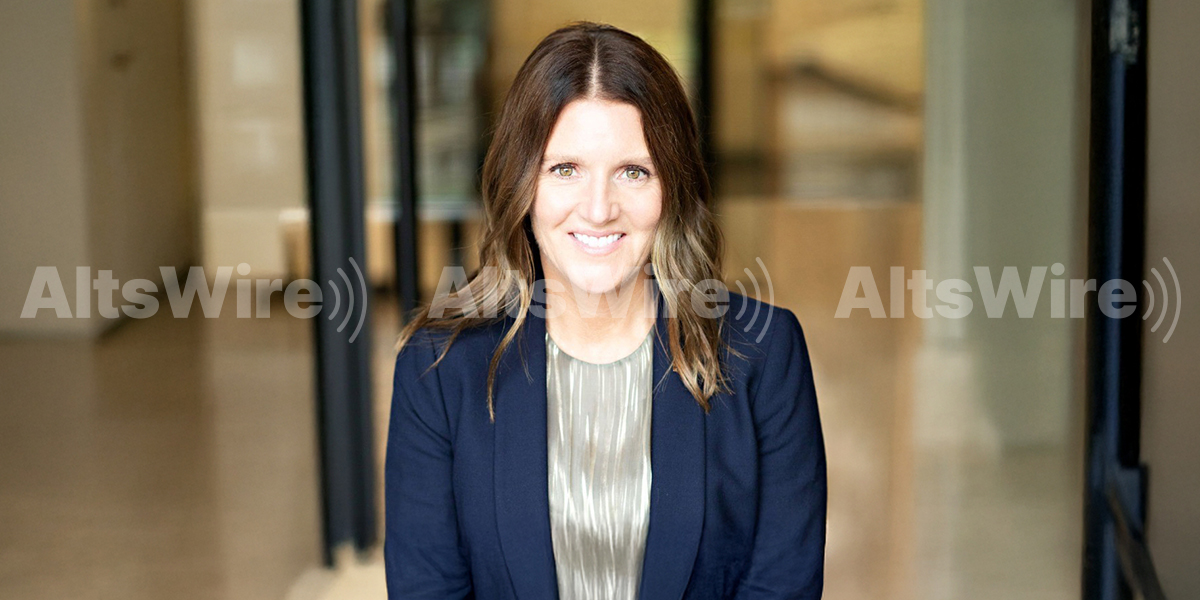
By Jill Calton, Executive Vice President, Executive Director of Alternative Investments, UMB Fund Services
The U.S. Department of Labor’s recently proposed safe harbor rule for selecting designated investment alternatives has drawn coverage on fiduciary process and litigation risk, and the retirement industry’s comments on the proposed rule have been divided. Less examined is what the rule, the August 2025 executive order, and the Equal Opportunity for All Investors Act (which is still pending in the Senate Banking Committee) will require of operations once retail capital begins moving in volume.
Retailization is not new. The semi-liquid evolution of recent years – interval funds, tender-offer funds, business development companies – has shown that administrators and managers can serve retail investors. We are cautiously optimistic about further expansion while recognizing the importance of education and protecting retail investors.
As fund administrators, we also recognize three areas of operational pressure that will intensify as the retailization trend continues: onboarding, ongoing operations, and reporting and education.
Onboarding at Retail Scale
Onboarding is typically the administrative aspect that presents the greatest scalability challenges: subscription-document review, anti-money-laundering and know-your-customer checks, accreditation, suitability, tax documentation, and more.
Addressing these will likely involve:
- New data-flow models, such as distributed ledger technology (DLT), that can reduce the unpredictable time involved in resolving not-in-good-order (NIGO) exceptions, including the fast compounding that occurs as investor counts rise;
- Greater standardization across fund agreements, and potentially an industry clearinghouse; and
- More focused investor education as a precursor to the subscription process, including participant-level suitability and education workflows that help ensure investors understand liquidity windows.
Our focus within the existing industry context has been on API connections, shared data rooms, and AI tools that can handle a wider range of subscription-document nuances than traditional technology, pulling data out regardless of format.
Ongoing Operations
Manager expectations have shifted with the volume. Real-time visibility into where a subscription, net asset value calculation, or capital call notice sits is increasingly a baseline requirement. The demand for real-time data and transparency is vastly greater than it was even five years ago, and it drives where administrators invest in a platform. For us, the home for that work is AltPro, our proprietary administration platform that manages multiple fund types in a single system.
Connectivity is where the work shows up most concretely. A participant’s experience with a private-fund allocation typically sits on the platform they already use, and it’s imperative to share the right minimum dataset reliably, every time, because that’s where the investor will go for information.
APIs are an improvement over file sharing, and shared data-warehouse approaches go a step further, as approved users can access and map the data, eliminating the need for IT teams on both sides.
There’s a discipline point here, too. It’s tempting to keep accepting subscriptions past defined cutoff times – money is coming in, no one wants to postpone – but timeliness gets thrown off, then scrambling, then errors. It’s important to remain committed to processes because of the risk management and quality assurance they provide.
Reporting and the Education Gap
Retail investors who arrive through defined contribution, or DC, plans will encounter reporting cadences and tax document timing that don’t align with their mutual fund expectations. Part of the picture is structural: many of these vehicles will be registered investment companies rather than partnerships, which brings its own operational rhythm. These include qualifying-income tests, time-of-day delivery requirements, and a higher level of standardization. It’s more demanding, and the answer is to standardize where standardization is possible and apply the best technology where it isn’t.
We anticipate a need to help asset managers educate retail audiences about what to expect in reporting and when to expect receipt of tax forms and other documents throughout the products’ lifecycles.
Closing Thoughts
As legislation evolves and retail demand increases, several back-office areas will require continued focus and adjustment to ensure they keep pace with the changing environment. Working with a provider who understands the nuances involved with legislative changes and can provide technology to meet evolving data infrastructure needs is how fund managers can position themselves for growth in this new era.
Jill Calton is executive vice president, executive director of alternative investments at UMB Fund Services. She provides leadership and oversight to all of the company’s alternative investment client-servicing teams.
The views and opinions expressed in the preceding article are those of the author and do not necessarily reflect the views of AltsWire.
For more UMB news, please visit their directory page.