SEC Grants Five-Year Exemption for Onchain Stock Trading After Clarity Act Collapse
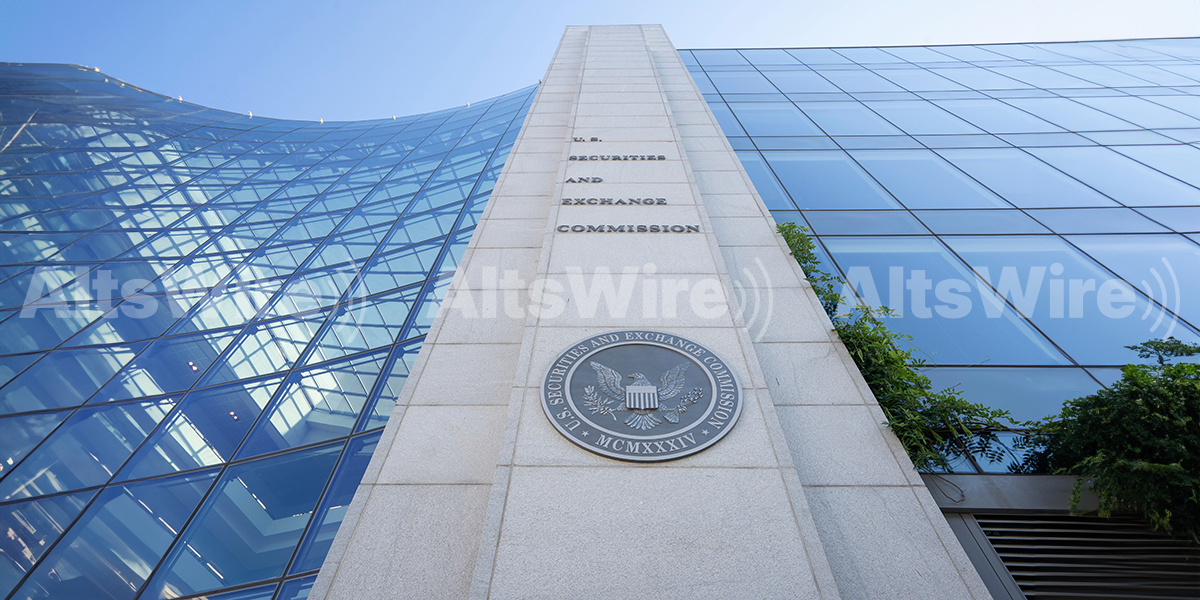
The U.S. Securities and Exchange Commission on Thursday issued an order granting temporary, conditional exemptive relief that lets Tokenized Securities Venues, or TSVs, trade tokenized National Market System stock without registering as exchanges. The venues would trade through what the agency calls permissioned automated market makers and liquidity pools. The five-year exemption, which the SEC said is meant to serve as “a bridge toward durable rulemaking,” arrives two days after the Senate failed to advance the Digital Asset Market Clarity Act, the digital-asset market structure bill that would have given Congress, rather than the SEC, the lead role in setting tokenization rules.
“The Innovation Exemption, while temporary, would allow TSVs to trade tokenized NMS stock in a permissioned environment today while the commission considers the need for additional action to facilitate onchain trading,” SEC Chair Paul S. Atkins said in a statement, adding that the agency is inviting public comment on all aspects of the exemption. Jamie Selway, director of the SEC’s Division of Trading and Markets, said the division is ready to work with firms seeking to operate a TSV.
The order attaches conditions the SEC said are designed to protect investors: tokenized shares must carry the same voting and dividend rights as their underlying NMS stock; a TSV must notify, and give a 30-day objection window to, the issuer of any stock it tokenizes without that issuer’s involvement; trading must halt on the TSV the moment it halts on the primary listing exchange; and the smart contracts underlying the venue must be auditable, public, and deployed on a permissionless ledger. A companion order grants liquidity providers in those pools a temporary exemption from dealer registration.
The relief covers only tokens backed by real shares; synthetic stock tokens that mimic price exposure without conferring shareholder rights fall outside it. Several platforms, including Robinhood, Coinbase, Gemini, and Kraken, already run tokenized-equity products for non-U.S. customers offshore; onshore derivatives-style products such as Hyperliquid’s equity perpetuals have also grown quickly. Analysts have projected a $5.5 trillion tokenized-securities market by 2030, a figure frequently cited by proponents of the exemption.
Commissioner Mark Uyeda, in a separate statement, backed the approach, comparing it to exemptive relief the commission has historically used to seed new products such as ETFs and money-market funds, and calling it “scoped relief to experiment responsibly, learn, and translate old protections” to onchain markets. He said the order’s volume and symbol caps, public transaction reporting, and sunset provision are meant to generate the data the commission needs before writing permanent rules, and he urged commenters to submit “detailed, data-supported” feedback.
The order itself only reaches publicly listed NMS stock, not private placements and nontraded structures. But sponsors that have floated tokenizing nontraded real estate investment trust, business development company, and interval fund interests as a fix for the industry’s liquidity problem are parsing the fine print anyway. The issuer-consent requirement, the auditable-smart-contract mandate, and the volume caps are the kind of conditions likely to resurface if the SEC ever writes an exemption for private or registered alternative structures.
The SEC “is not cementing today’s technology as the standard for tomorrow. Instead, it is allowing the market to evolve, monitoring its development, and using that insight to inform a nimbler and future-ready regulatory framework,” Atkins said.
The exemption is set to expire five years after publication in the Federal Register, where the order will also solicit public comment on potential modifications and next steps.
Visit the AltsWire directory page.