
Georgia Investment Adviser to Pay $13M Following SEC Elder Fraud Charges
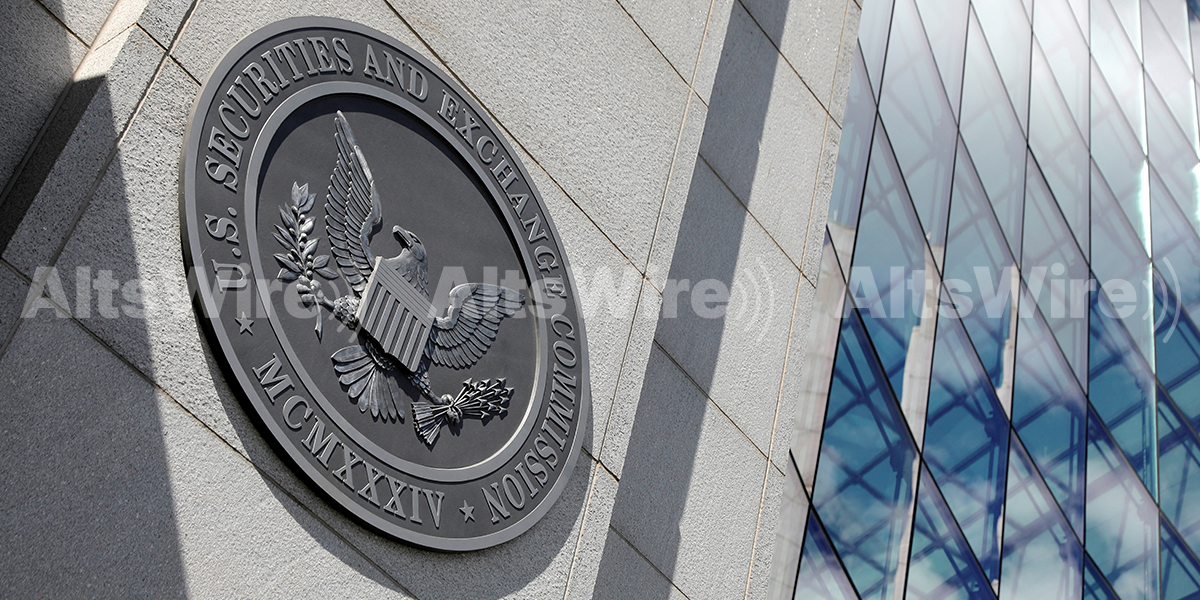
The U.S. Securities and Exchange Commission announced a settled action against Ejiro Ode Okuma, a 43-year-old investment adviser from Smyrna, Ga., alleging that he orchestrated a fraud scheme that siphoned more than $9.8 million from an 81-year-old client. Okuma has agreed to pay more than $13 million in total to resolve the charges.
The SEC’s complaint, filed in January 2026, alleges a scheme that targeted a vulnerable resident of the Northern District of Georgia who relied almost exclusively on Okuma for his financial affairs. The fraud allegedly began in March 2022, shortly after the client’s sister, his only living relative, passed away.
According to the charges, Okuma allegedly used his position of trust to carry our multiple acts of theft. Shortly after his appointment as administrator, Okuma allegedly moved $500,000 from the client’s accounts through the estate and into an account controlled by one of Okuma’s family members.
In 2023, Okuma reportedly opened a new, unauthorized brokerage account in the name of one of the client’s trusts. He allegedly funded this account by draining more than $9 million in securities from the client’s existing portfolios. To facilitate the transfers, the SEC claims Okuma electronically impersonated the client, created fake email addresses, and forged signatures on checks.
While the client faced significant health issues and relied on Okuma for basic needs like groceries and mail, the SEC alleges Okuma used the stolen funds for personal expenses and real estate purchases. Specifically, the SEC claims Okuma spent $5.6 million toward the purchase of land and the construction of a multi-million-dollar residence. The Commission also alleges he spent significant sums on luxury vehicles and vacation properties, including a $1.4 million beach house and fractional ownership of a second vacation home.
The SEC charged Okuma with violating the anti-fraud provisions of the Securities Act of 1933, the Securities Exchange Act of 1934, and the Investment Advisers Act of 1940.
Without admitting or denying the allegations, Okuma agreed to a final judgment that includes permanent professional bans and significant financial restitution.
The financial resolution includes more than $9 million in disgorgement (representing the alleged stolen funds), just over $1 million in prejudgment interest, and $3 million in civil penalties.
In addition to the $13,055,051 payment, Okuma is permanently enjoined from violating federal anti-fraud provisions and is barred from participating in the issuance, purchase, offer, or sale of securities, except for his own personal accounts. The court will also oversee the relinquishment of rights to the properties and bank accounts associated with the fraud to satisfy the judgment.
Click here to visit the AltsWire directory page.