Five Questions for: Inland’s SVP, Head of Research Phil McAlister
By Staff
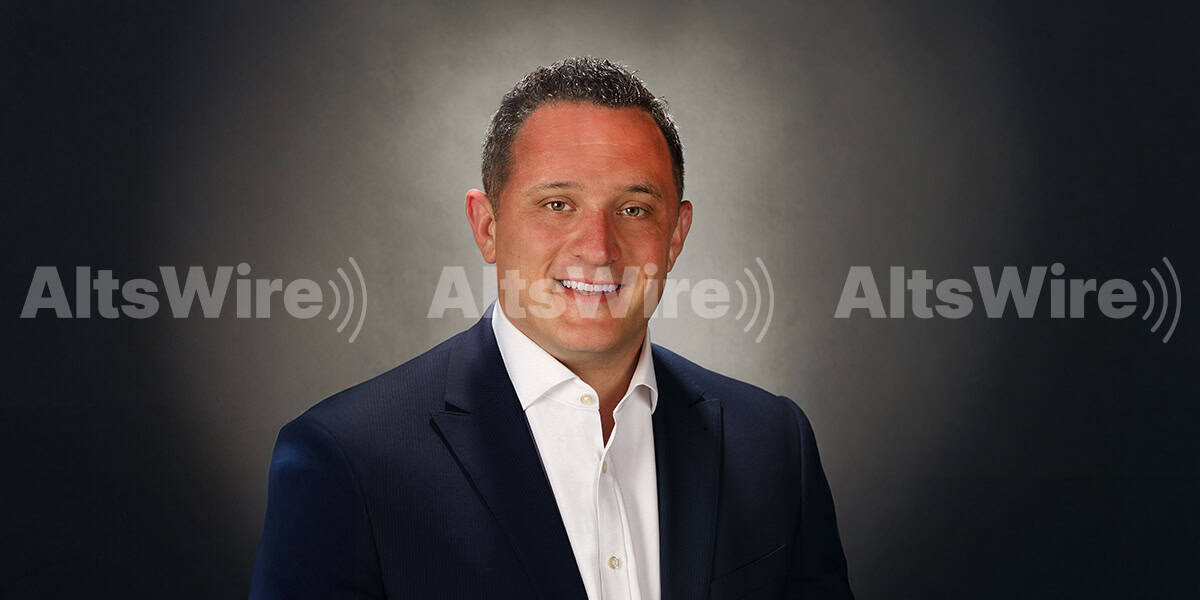
Phil McAlister
In AltsWire’s latest installment of “Five Questions for…” the editorial team interviewed Phil McAlister, senior vice president, head of research at Inland Private Capital Corporation. McAlister’s role encompasses research and investment strategy in support of the firm’s commercial real estate investments.
Responsible for crafting Inland’s proprietary research including macro-level economic trends and sector-specific research, as well as research supporting market and submarket selection and individual asset selection, we asked McAlister to discuss both the trends we’re seeing and the opportunities Inland foresees related to senior housing in America.
AltsWire: What are the key long-term drivers influencing senior housing and medical outpatient buildings over the next decade?
Phil McAlister: The demographic picture in the United States is expected to have a major influence on medical outpatient buildings, or MOBs, and senior housing in the coming years. Over the next five years, the age 75 and older population is projected to grow at roughly eight times the pace of the broader population. Similarly, the age 65 and older population is projected to reach about 74 million people over the next 30 years, which is double the population in that group from 1975 to 2024. This brings with it opportunities and challenges for these real estate sectors. We know that physician visits skyrocket as people enter their 70s, and the amount of spending per capita on healthcare likewise spikes significantly. Along with these demographics, we see a continuing trend toward more procedures being done at outpatient centers rather than hospitals. Therefore, the demand for MOB space is expected to be very high and consistent in the coming years.
Similar to the impact on MOBs, demographic forces are expected to generate high demand for senior housing. If we assume independent and assistant living facilities see the same penetration rate as with previous generations, baby boomers are putting this sector on pace for an estimated 600,000-unit shortfall. New senior housing construction is at levels last seen coming out of the financial crisis in 2009 and will be difficult to ramp up with high construction costs, interest rates, and land values.
All these points support a likelihood of absorptions chronically outpacing new supply, which should lead to higher MOB and senior housing rents over time.
AW: What are some of the possible solutions the industry can undertake to address the shortage of affordable senior housing?
PM: I believe we will need a multipronged approach to address the shortage of affordable senior housing. At its core, the solution to any shortage is the ability to bring on new supply. With this, the industry will need to work closely with municipalities, engineers, and architects to find ways to streamline and simplify the entitlement and construction process.
Building authorities bear an important responsibility to keep seniors safe with building codes and zoning requirements. However, they will need to be flexible and aggressive at removing red tape and working with high-quality developers to find ways to improve the speed and efficiency of bringing on new supply.
At the federal level, the agencies can get more aggressive at financing senior housing properties, potentially creating a lending product or guarantee program that would allow for favorable debt terms supporting the construction of affordable senior housing product.
AW: How will the industry respond to the significant oncoming demand for senior housing due to the demographic wave of aging Americans?
PM: We anticipate many changes to the senior housing landscape as the senior population increases. We will likely see growth in various care options for seniors to fill the need. As rents rise, more developments may become economically viable in the longer term. We will also likely see an increase in home healthcare options and new, innovative approaches to delivering care at home.
Lastly, it would not be surprising if, at some point in the future, new government programs arise (or the expansion of Medicare provisions) to attempt to specifically assist in the delivery of housing related care to seniors.
AW: How will the baby boomer generation change the face of senior housing and healthcare real estate?
PM: Baby boomers are the wealthiest generation this country has seen. It is likely that baby boomers will use that wealth to create the highest quality of life possible in their later years. In addition, baby boomers have been instrumental in shaping culture since they began reaching adulthood in the late 1960s, and this powerful generation is expected to continue to exert influence in their golden years.
The senior housing sector is expected to evolve to continue to meet the needs of aging Americans, including better and more advanced amenities and a focus on social activities. Boomers may downsize into more traditional rentals at first to achieve some flexibility and less home maintenance. We may also see this important cohort show an increased proclivity toward 55-plus manufactured housing and recreational vehicle, or RV, communities in early retirement years before shifting toward independent or assisted living facilities. Nevertheless, ultimately, the demand for medical outpatient buildings and senior housing facilities will continue to increase as this generation ages.
AW: What specific needs must be considered when addressing affordable senior housing?
PM: We believe high-quality senior housing starts with the resident. Health outcomes and satisfaction with the living situation are closely tied to a senior’s sense of social belonging and ability to be part of something as they age. Therefore, the primary consideration should be resident activities with accompanying staff that focus on encouraging participation in social activities and getting residents to quickly assimilate into new social groups. In addition, it is important to offer peace of mind to both residents and their loved ones that excellent care is available, and that staff is trained to notice and quickly address health issues. We believe senior housing must be close to “the action,” where residents can enjoy access to local shopping, dining, entertainment, and healthcare options.
Headquartered in Oak Brook, Ill., Inland Real Estate Investment Corporation, i.e., Inland Investments, is a real estate investment manager and a member company of The Inland Real Estate Group of Companies Inc., one of the nation’s largest commercial real estate and finance groups. Inland Investments specializes in offering public and private tax-advantaged, growth and income real estate solutions spanning virtually every sector of the commercial real estate market. Since inception, Inland has engaged in real estate, including property management, leasing, marketing, acquisition, real estate brokerage, development, redevelopment, construction, real estate financing and other related services. Inland member companies have facilitated more than $55 billion in acquisitions since inception and currently manage a diverse real estate portfolio of approximately $16 billion across 42 states.
For more Inland news, please visit their directory page.