Sponsored: Transparency Shouldn’t End When the DST Closes
By Sponsored
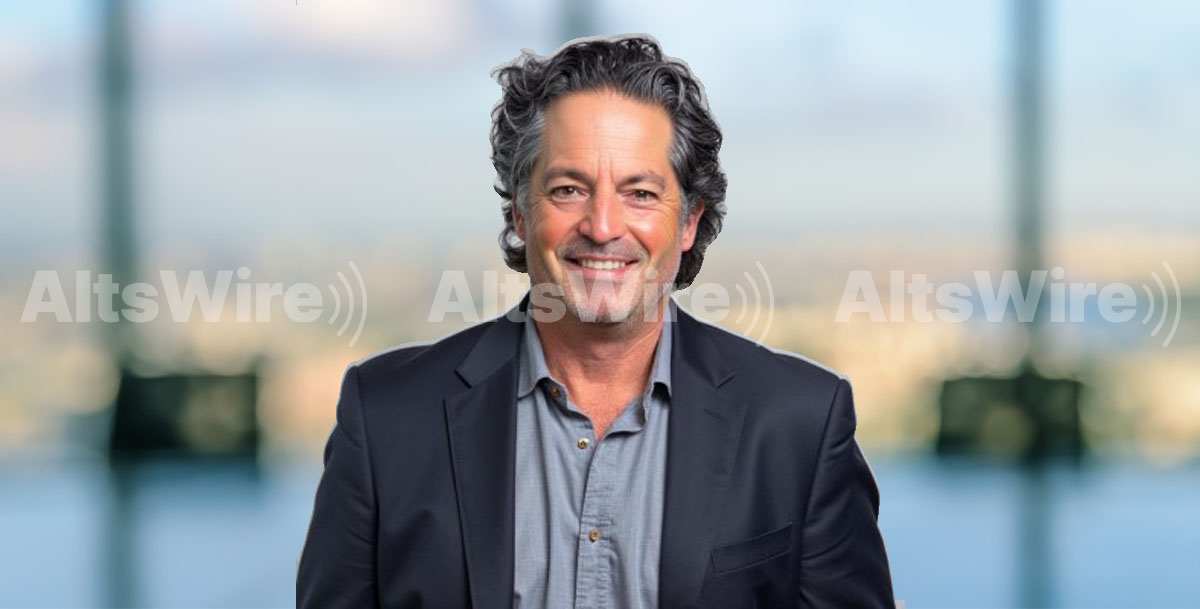
By Ron Nielsen, Executive Vice President of Sponsor Operations, Medalist Diversified Inc.
The true test of a Delaware statutory trust sponsor isn’t simply what it discloses before an investment. It’s how effectively it communicates throughout the years that follow.
Before committing capital, investors and financial advisers examine offering documents, tenant credit, lease structures, sponsor track records, and projected returns. Yet DST investments can extend five, seven, or 10 years, sometimes longer. During that time, tenants may face financial challenges, properties may require unexpected repairs, and market conditions may alter the timing of a sale.
For financial advisers, evaluating a DST sponsor should therefore extend beyond the offering documents. Equally important is understanding how the sponsor intends to communicate, report, and remain accountable throughout the investment’s life.
Seven Practices Worth Expecting
- A reporting schedule investors can rely on.
Advisers should understand when reports will arrive, who receives them, and what information they contain. Updates may address rent collections, tenant developments, property conditions, distributions, and changes since the prior reporting period.
Consistency matters. A predictable reporting schedule during uneventful periods establishes expectations and reinforces confidence that communication will continue when challenges arise.
- Visibility into the sponsor, not only the property.
Property performance matters, but so does the financial condition of the organization responsible for managing the investment.
Advisers should ask what sponsor-level financial information is available, whether financial statements are independently audited, and which legal entities those statements cover. Audited financial statements provide an additional layer of verification, although they do not guarantee financial strength or future performance.
- Clarity about financial commitments.
DST sponsors may have obligations across multiple investment programs, including financing commitments, guarantees, or master lease arrangements.
Understanding these obligations helps advisers evaluate a sponsor’s financial responsibilities and potential exposure. Where multiple entities are involved, advisers should distinguish between the financial position of a parent company, the sponsoring entity, and the individual DST.
- A clear approach to material events.
Tenant defaults, significant property damage, major litigation, and other material developments should not surface as surprises in an annual report.
Advisers should understand how sponsors identify material events, determine when disclosure is appropriate, and communicate developments to investors. A clearly defined communication process is especially valuable when circumstances change unexpectedly.
- Understandable ongoing fees.
Fees receive considerable scrutiny during the offering process, but ongoing compensation arrangements deserve continued attention.
Investors should understand applicable asset-management fees, property-management fees, reimbursements, and potential disposition compensation. When amounts vary, explanations should make the calculation methodology understandable rather than relying solely on headline percentages.
- Thoughtful communication about a potential exit.
No DST sponsor can guarantee a disposition date, sale price, or investment outcome.
However, sponsors can communicate the factors they monitor when evaluating a potential sale, including property performance, tenant conditions, financing considerations, and market dynamics.
Early communication gives financial advisers time to help clients evaluate liquidity needs, tax considerations, and potential replacement-property strategies. For investors considering another 1031 exchange, advance planning can be particularly valuable.
- Meaningful checks and accountability.
Independent oversight and third-party review can contribute to a more transparent investment process.
Advisers should understand the roles of independent directors, external auditors, valuation professionals, and other service providers involved in evaluating the sponsor or its investments.
These parties perform different functions, and their involvement does not guarantee investment quality or performance. Understanding who reviews what provides a clearer picture of how accountability is structured.
Five Questions to Put to Any DST Sponsor
Before recommending a DST investment, financial advisers should consider asking:
- Can you provide a sample investor report and explain your reporting schedule?
- What financial information is available about the sponsor and the individual DST, and is any of it independently audited?
- How are material tenant, property, or financial developments communicated?
- How can investors monitor ongoing fees and understand potential disposition compensation?
- When and how will investors receive communication about a potential property sale?
The answers matter. Equally important is a sponsor’s willingness to explain its practices, identify where reporting differs among trusts, and acknowledge limitations on available information.
The Medalist Perspective: Transparency in Practice
At Medalist Diversified Inc. (Nasdaq: MDRR), we believe transparency should extend beyond the initial offering and remain an important part of the sponsor-investor relationship throughout the investment’s life.
Our approach combines two distinct sources of information: the financial visibility associated with a publicly traded parent company and ongoing communication at the individual DST level.
Public-company accountability
As a Nasdaq-listed company, Medalist is subject to U.S. Securities and Exchange Commission reporting requirements, including annual Form 10-K filings, quarterly Form 10-Q filings, and Form 8-K reporting for specified material corporate events, generally within four business days of a triggering event.
These disclosures provide financial advisers with publicly accessible information about Medalist’s financial condition, operations, significant transactions and certain financial obligations.
As a public company, Medalist provides an additional source of financial information that advisers can independently examine.
Importantly, public-company reporting does not replace the offering documents or trust-level reporting for an individual DST. Nor does every material development affecting a DST property necessarily trigger an SEC filing.
Ongoing communication at the DST level
At the individual investment level, investors in Medalist’s first DST receive quarterly written updates addressing rent collection, tenant status, property condition, and distributions.
We believe advisers should evaluate not only the real estate and tenant credit, but also the organization behind the sponsorship platform and its approach to communication.
Public-company reporting is one route to greater visibility, not the only one. Privately held sponsors can also demonstrate transparency through documented reporting practices, financial disclosures, and consistent investor communication.
Every sponsor, including Medalist, should be willing to be measured against those standards.
A Standard That Lasts as Long as the Investment
DST investors accept a long-term, illiquid investment with limited control over property decisions. Even comprehensive reporting cannot eliminate tenant risk, real estate market risk, liquidity constraints, or potential tax consequences.
But consistent communication can help advisers and their clients understand their investments, evaluate changing circumstances, and prepare for important decisions.
Transparency should not be measured solely by the volume of disclosures provided before an investment. It should be measured by the consistency, clarity, and accountability a sponsor demonstrates throughout the investment’s life.
For financial advisers evaluating DST sponsors, the question is not simply what information is available today. It’s what investors can reasonably expect to know tomorrow and throughout the life of their investment.
SPONSORED CONTENT / IMPORTANT DISCLOSURE
This article is provided for general informational and educational purposes and is not investment, legal, or tax advice, or an offer to sell or a solicitation to buy any security. Any securities offering is made only through applicable offering documents and subject to its stated eligibility requirements.
DST investments involve significant risk, are illiquid, and may result in loss of some or all invested capital. Distributions, property performance, exit timing, and tax treatment are not guaranteed. Investors should carefully review the applicable private placement memorandum and consult their own financial, tax, and legal advisers.
Ron Nielsen is executive vice president of sponsor operations at Medalist Diversified Inc. (Nasdaq: MDRR).
This is sponsored content provided by Medalist Diversified, a sponsor of AltsWire, and was published as part of its standard directory sponsorship package. AltsWire edited the article for style only. The views and claims expressed are those of Medalist Diversified and have not been independently verified by AltsWire. Publication does not constitute an endorsement or recommendation by AltsWire of Medalist Diversified, its platform, or any product or service described. This article is for informational purposes only and is not investment, legal, tax, or regulatory compliance advice. Broker-dealers and representatives should consult their own compliance and legal advisers about their regulatory obligations.
For more Medalist Diversified news, visit its directory page.