Senate Blocks Clarity Act, Leaving Crypto’s Federal Framework in Limbo
By Staff
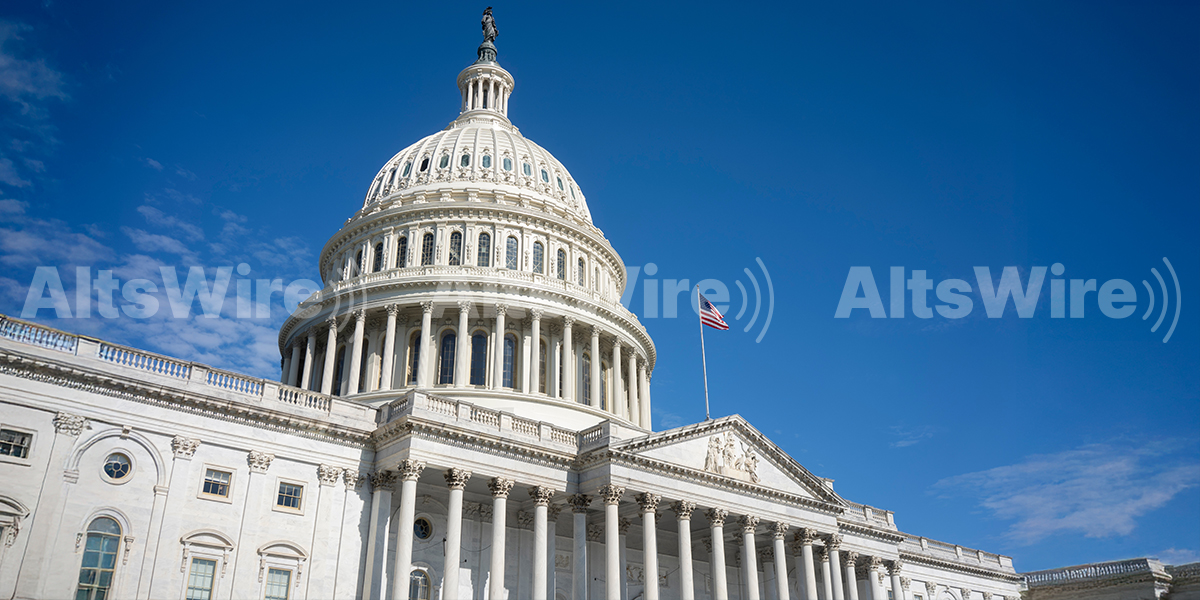
The U.S. Senate failed Tuesday to advance the Digital Asset Market Clarity Act, falling well short of the 60 votes needed for cloture in a 46-43 tally, dealing a regulatory blow to the crypto industry’s yearslong push for a federal market-structure framework.
The bill needed all 53 Republicans plus seven Democrats or independents to proceed to debate. It didn’t get there. Several Democrats who had spent months negotiating the bill’s terms, including Sens. Kirsten Gillibrand, Mark Warner, Cory Booker, Raphael Warnock, Ruben Gallego, Angela Alsobrooks, and Catherine Cortez Masto, voted against cloture anyway. Sen. Elizabeth Warren led opposition on grounds that the bill’s ethics provisions were too weak to meaningfully check officials’ financial ties to crypto ventures – a concern sharpened by President Donald Trump’s disclosed $1.4 billion in family crypto earnings and doubts that Justice Department enforcement, led by a Trump appointee, would police conflicts of interest.
Republicans had countered with new language barring elected officials from issuing their own cryptocurrencies and requiring divestment of “significant” holdings, but critics called the terms too loose to close the gap.
Sen. Cynthia Lummis, one of the bill’s chief GOP champions, had warned before the vote that failure would effectively end this Congress’s attempt at crypto market-structure legislation. “I think we’re done. It’s over,” she said afterward. One industry leader was more blunt: “It died.”
As drafted, the Clarity Act would have built the first comprehensive federal regulatory framework for digital assets, splitting oversight between the U.S. Securities and Exchange Commission and the Commodity Futures Trading Commission, though it would have given the latter a larger share of authority. The bill also would have permitted stablecoin issuers to pass interest payments to holders – a provision that drew sustained opposition from community bankers, who argued it would let stablecoins compete unfairly with bank deposits for small-business lending capacity.
Coinbase policy chief Ryan VanGrack had pushed for passage, arguing tens of millions of Americans hold crypto assets with no regulatory clarity around them. The bill had already passed the House in a different form, meaning even a successful cloture vote would have required reconciling two versions before reaching the president’s desk.
Bitcoin, which had traded near $79,500 overnight, fell roughly 4% to around $75,000 to $76,000 in the vote’s aftermath. Prediction markets had already been skeptical of passage, and odds firmed further against it afterward, with expectations shifting toward a delay past November’s midterms and possibly years beyond.
In our August coverage of the SEC’s proposed Regulation Crypto Assets framework, we noted Congress was “stalled on its own crypto market structure legislation” and flagged this same Sept. 15 cloture vote – along with the ethics-provision dispute and the unresolved SEC-CFTC jurisdictional split – as the key unknowns hanging over the agency’s parallel rulemaking.
That piece also connected the stakes directly to the nontraded space: tokenization proposals touch the same continuous-offering and share-repurchase-program structures already used by nontraded real estate investment trusts, Delaware statutory trusts, and interval funds seeking to build in liquidity. With Clarity Act momentum now effectively dead for this Congress, that regulatory gap falls back to the SEC to fill on its own. SEC Chair Paul Atkins said this week he backed the Clarity Act but would continue advancing the agency’s crypto rulemaking with or without it, a posture that now looks likely to define the near-term path for sponsors eyeing tokenized structures.
Visit the AltsWire directory page.